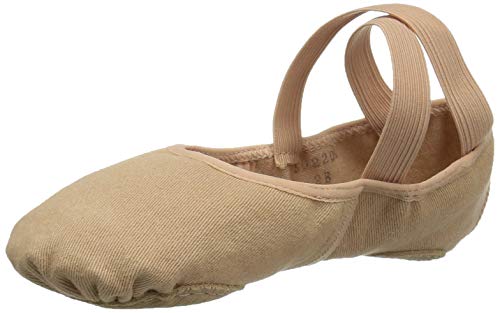
For ballet shoe widths explained, begin with the exact studio requirement, verify the model-specific size chart, and keep only a shoe that lets every toe lie flat while the heel remains secure. Pain and numbness are never normal fit signals.
Define the decision before shopping
Write down the dancer, class level, required shade, material, sole, elastic arrangement, and any brand restriction. These details prevent a good-looking but unusable purchase. “Pink canvas split sole” is a specification; “ballet slippers” still leaves important questions for the teacher.
When the listing groups several sizes, colors, or generations, confirm the selected variation before relying on its title, chart, or reviews. Keep tags and packaging intact until the fit and class requirement are settled.
Use a movement-based fit check
Try both feet with class tights, socks, or bare feet. Stand naturally, point, make a supported demi-plié, and rise slowly. Toes should stay flat, the heel should remain seated, and the dancer should not claw to hold the shoe. Check sole-pad position and any pressure from binding, drawstring, seams, or elastic.
If length is correct but the upper bags or pinches, compare width, vamp depth, heel shape, elastic placement, or another model. Do not use extra length as a substitute for width or painful shortness as a substitute for heel security.
Compare construction without shortcuts
Canvas is generally light; leather is generally structured; stretch canvas usually follows the foot more closely. Full soles place material under the midfoot, while split soles separate the forefoot and heel pads. Those are construction differences, not promises of better technique. The class rule and healthy fit decide.
Order and return carefully
- Open the chart for the exact model and sizing system.
- Check the seller, selected variation, and return terms.
- Test only on a clean indoor surface.
- Do not sew, trim, or wear outside before approval.
- Record the winning brand, model, size, width, and hosiery.
Care and replacement
Air shoes after class and follow material-specific care instructions. Reassess for holes, smooth or displaced pads, stretched uppers, failed elastic, heel slipping, curled toes, or growth. A child may outgrow a sound-looking shoe; an adult dancer may notice fit changes before visible damage.
Continue with Ballet Shoes for Adult Beginners, compare our complete fit guide, or return to the ballet shoes homepage.